Start with what you want to grow
"Heating" means different things. Keeping a greenhouse just frost-free for overwintering geraniums and citrus takes a little heat on the coldest nights. Growing lettuce and greens through winter takes a bit more. Keeping tomatoes fruiting in January takes a lot, and usually extra light too. Decide which one you want before you spend anything, because the cost difference is huge.
For most backyard gardeners, frost-free plus hardy winter greens is the sweet spot: affordable and very satisfying.
Panels: the cheapest heat is the heat you keep
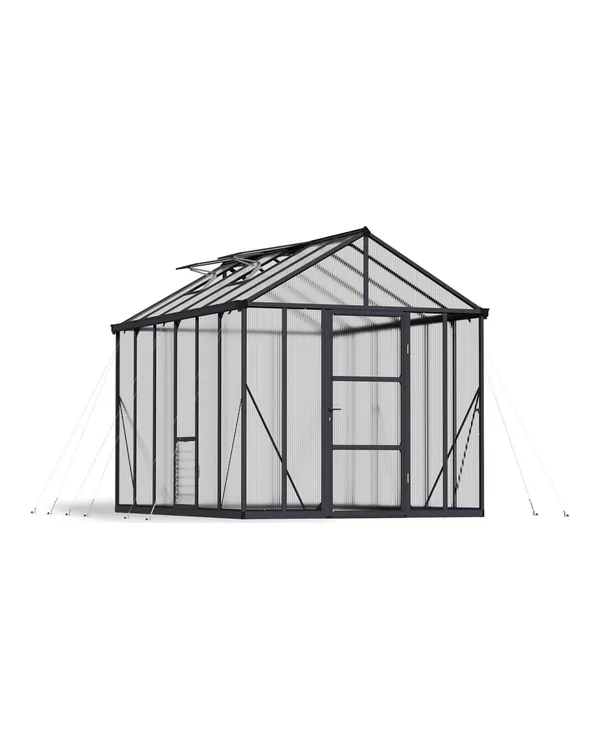
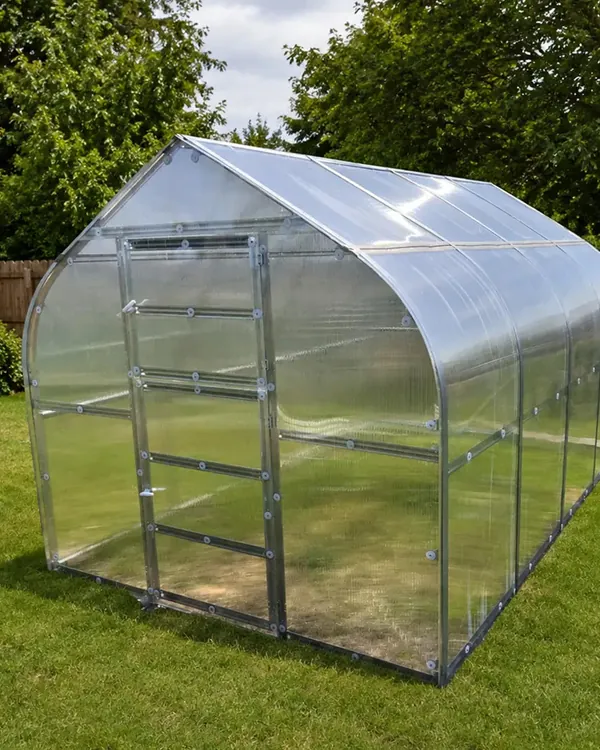
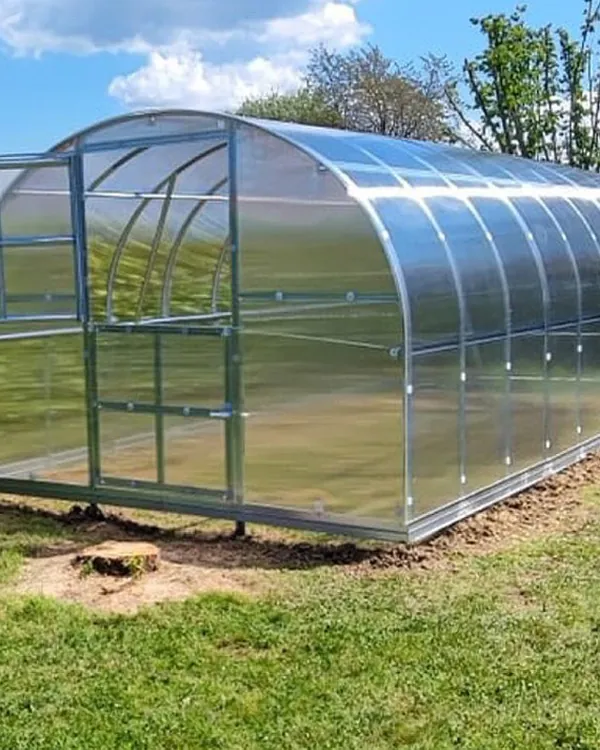
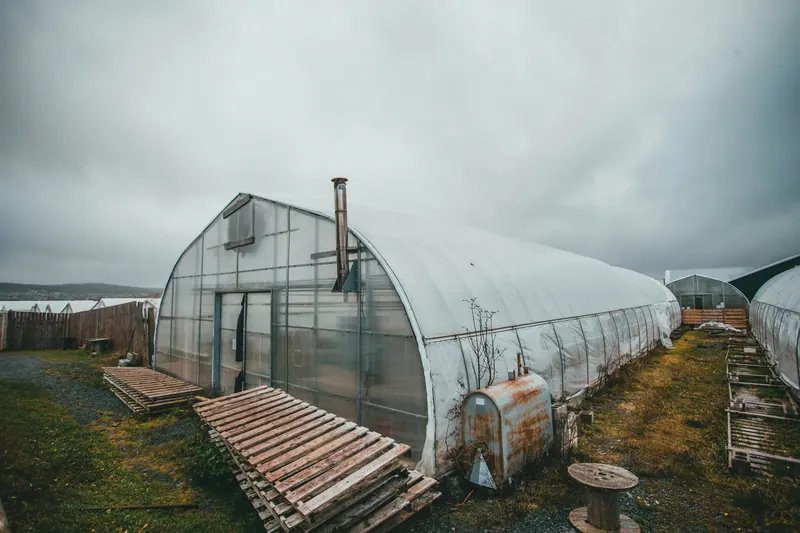
Every watt you put in leaks out through the glazing. That makes the panels the most important winter decision, and the reason they carry 30% of the weight in our winter ranking. On our list, the Palram Glory has 10 mm twin-wall polycarbonate on every side, the thickest we found. The YourGreenhouses tunnels use 6 mm double-wall, the Rion Grand Gardener 4 mm on the roof and 6 mm on the walls, and the Palram Essence and Mythos 4 mm twin-wall. Clear single-layer kits, like the Snap & Grow, are season extenders: lovely in spring, hard work to heat in January.
Already own a thin-walled greenhouse? Bubble insulation clipped inside the panels for winter helps a lot, at the cost of some light.
Seal the gaps and block the wind
Before buying a heater, find the drafts. Check door seals, vent edges and where panels meet the frame. Wind steals heat from the outside of the glazing, so a hedge, fence or wall on the windward side helps. Rubber sealing strips, like the ones on the Rion, are there for a reason. Snow is fine on the ground around a greenhouse, but brush heavy snow off the roof: the kits on our list publish 8 to 38 lb/ft² where they publish anything, and wet snow is heavy.
Insulating a greenhouse you already own
If your greenhouse has thin or single-layer panels, you can still make it much warmer for winter. Horticultural bubble insulation, clipped to the inside of the frame, adds an air layer like a twin-wall panel; it costs some light, so fit it in late fall and take it down in spring. Insulate the north side more heavily, since little sun comes through it anyway. Line the base with rigid foam board where the frame meets the ground, a common heat leak. And partition: heating half the greenhouse with a temporary bubble-wrap wall costs half as much.
Thermal mass: free heat at night
Water, stone and soil soak up heat during the day and give it back at night. A few dark-painted water barrels along the north wall, a brick or paver floor, or deep soil beds all smooth out the swing between sunny afternoons and frosty nights. It won't replace a heater in a cold climate, but it means the heater runs less, and on mild nights not at all.
Choosing a greenhouse heater
Electric fan heaters are the simplest: clean, no fumes, easy to control with a thermostat. You need a safe outdoor-rated power supply, installed properly. Propane and natural gas heaters give more heat for the money in very cold climates but need venting and fresh air, because burning gas makes moisture and fumes. Oil-filled radiators give gentle, even heat for small greenhouses. Whatever you choose, use a heater made for greenhouses or damp spaces, follow the maker's safety instructions and keep it away from plants and panels.
Size it for your coldest nights, not your average ones. Heater makers publish sizing guides based on the greenhouse surface area and the temperature you need to hold; use the real dimensions of your kit from its review page.
What grows well in a cool winter greenhouse
You don't need tropical temperatures to have a productive winter greenhouse. Kept just above freezing, it will carry lettuce, spinach, kale, chard, mustard greens, scallions and herbs like parsley and cilantro through the darkest months, and give you a head start on onions and sweet peas. It is also the perfect place to overwinter potted citrus, geraniums, fuchsias and dahlia tubers. Then, in late winter, it becomes your seed-starting room, which is when a greenhouse really earns its keep.
A simple winter plan, month by month
October: wash the panels so the low winter sun gets in, check door seals and vent edges, and move tender plants in before the first frost. Fit bubble insulation now if your panels are single-layer. November and December: group plants together, raise pots off the cold floor, water sparingly in the morning only, and keep the heater on a thermostat set just above freezing for overwintering. January: the hardest month. Watch the forecast, clear snow off the roof before it builds up and open a vent a crack on sunny afternoons to let damp air out. February: start the first seed trays on a heat mat rather than heating the whole greenhouse. March: the days lengthen fast, so ventilation matters again and the heater runs less.
Kits with thicker panels make every step of this plan cheaper. If you are still choosing, our winter greenhouse ranking puts the snow-rated, twin-wall kits first.
Thermostats, airflow and a thermometer
A thermostat is what turns heating from expensive into reasonable: set it just above the minimum your plants need, not a degree more. A min-max thermometer tells you what really happened overnight. And keep the air moving: a small fan prevents cold pockets and damp, still air where mold starts. On sunny winter days, crack a vent at midday (our ventilation guide explains why).
The kits in this guide, side by side
| Greenhouse | Palram Glory 8x129.5/10 | YourGreenhouses Arrow9.3/10 | YourGreenhouses Polycarbonate9.1/10 |
|---|---|---|---|
| Price | $4,349 | $2,810 | $2,765 |
| Size | 8' x 12' · 95.6 sq ft | 8.2' x 13' · 106.6 sq ft | 9.84' x 13' · 128 sq ft |
| Price per sq ft | $45.49/sq ft | $26.36/sq ft | $21.60/sq ft |
| Panels | 10 mm polycarbonate | 6 mm polycarbonate | 6 mm polycarbonate |
| Snow load | 20 lb/ft² | 38 lb/ft² | 32 lb/ft² |
| Wind rating | 60 mph | 65 mph | 65 mph |
| Peak height | 8'10" peak | 8'0" peak | 6'7" peak |
| Warranty | 10-year | 10-yr frame, 5-yr panels | 10-yr frame, 5-yr panels |
| Buy | See price | See price | See price |